
Business Hours Signs: Best Practices to Stay Compliant
Key Takeaways:
- Business hours signs indicate operating hours to set customer expectations and attract foot traffic.
- While there is no federal law requiring private businesses to post their operating hours, some municipalities regulate the size, placement, illumination, and materials of signs.
- Always check your local zoning laws, signage codes, and permits before installing any business sign.
When designing signs for businesses, most people are primarily focused on clarity, readability, and brand consistency. Although these design elements are essential, make sure to also check your zoning laws and local ordinances that regulate the use of business signs.
In this article, we learn about common state and local regulations surrounding the use of business hours signs.

Size Requirements for Business Hours Signs

Some states and municipalities have specific size requirements for business identification signs, which typically include operating hours and locations. These regulations are implemented to enhance public safety and preserve community aesthetics. For example, Beverly Hills, CA prohibit the use of such signs that exceed 5 sq. ft. in size. It’s crucial to stay informed on your state’s respective regulations on business signs before placing an order to ensure that you get the one with the compliant specifications.
Happy Hours Signs for Bars and Restaurants
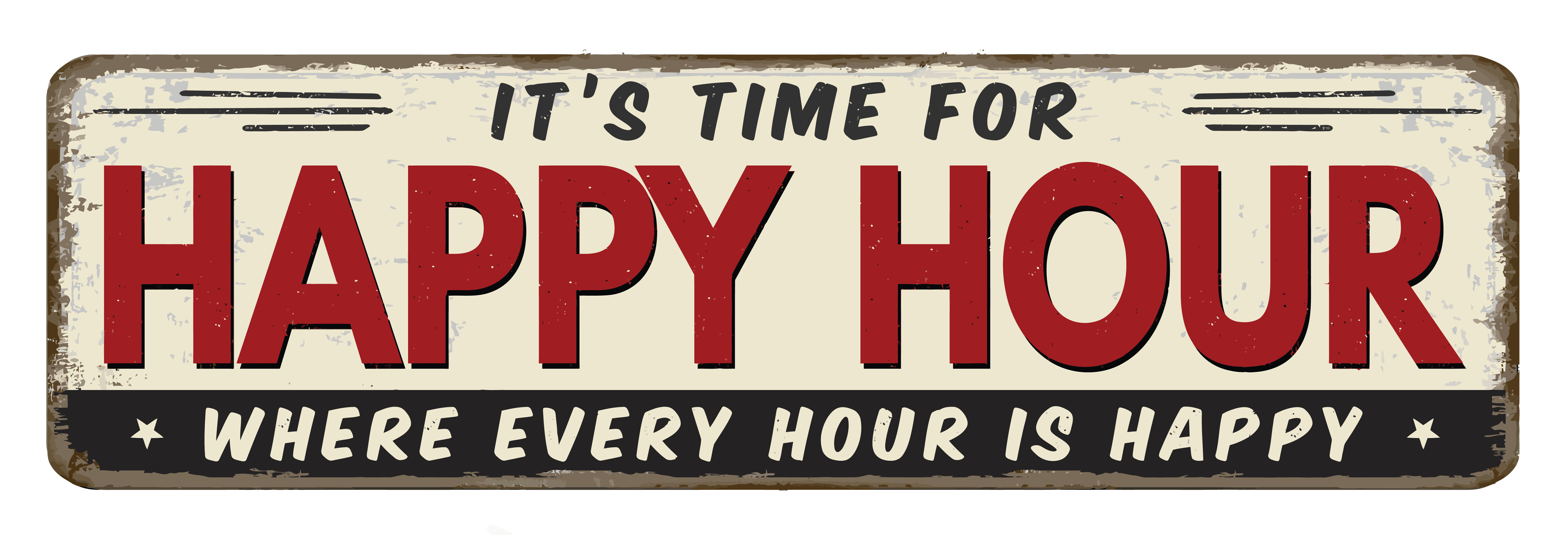
Most states allow bars, restaurants, and other alcohol-serving businesses to offer happy hour specials and post signs about them. However, many zoning laws and local ordinances prohibit the use of signs explicitly mentioning discounted alcoholic drinks and promoting free drinks and drinking contests or games that encourage binge drinking.
Use of Sign Illuminations

Many state regulations prohibit the use of sign illumination that negatively impacts the surrounding properties and rights-of-way.
Avoid these types of sign illumination to ensure compliance:
- Light source that causes unreasonable glare and nuisance
- Blinking or flashing lights and other illumination devices with changing light intensity, brightness, or color
- Colored lights that may confuse drivers and pedestrians (i.e. they look like traffic control devices)
The Quality and Durability of Materials
There are often state regulations about what type of materials and installation methods businesses can use when installing signs. In California, for example, all businesses should use permanent signs made of high-quality, low-maintenance materials such as metal, concrete, natural stone, glass, and acrylic.
Many regulations also require the use of signs that are highly resistant to fading and damage from exposure to sunlight and harsh weather conditions.
These regulations aim to preserve community aesthetics and promote public safety.
Business Hours Signs for Federal Suppliers and Businesses
Federal suppliers and businesses follow stricter rules regarding the use of permanent signs. For example, Medicare suppliers are required to post signs displaying their hours of operation in plain view.
Also, business hours signs and other permanent signs should be installed securely. The use of taped paper signs is not acceptable.
Before installing business hours signs and other permanent signs, check your zoning laws and local ordinances to ensure compliance and avoid fines and legal issues. Remember, the “best” business signs strike a perfect balance between clarity, readability, brand consistency, and legal compliance.
Data Subject Rights

Privacy Request
You may have certain rights with respect to the personal information we collect and process. These rights vary by state and country and depend on your residency. These rights are not absolute and we reserve all of our rights available to us at law in this regard. Please complete the below form to exercise one of your data subject rights, where applicable. We will process your request within the time provided by applicable law.