
Understanding Different Road Safety Signs and Their Meanings
Road safety is one of the most consistently applied rules across the country, and much of it starts with understanding road signs. The Manual on Uniform Traffic Control Devices (MUTCD), first published in 1935, serves as the primary guide for creating and implementing standardized traffic signs in every US state. And while road signs come in different shapes and colors, they are all designed to deliver quick, clear messages to drivers.
Today, every driver is expected to recognize these signs and apply them on the road. In this article, we explore the different shapes and colors of road signs and explain why each is designed the way it is.

Categorizing the Standard Road Signs
Road signs have kept their familiar look over the years, allowing drivers to become familiar with them quickly on the road. And while the list of signs continues to expand, grouping them by color and shape is an effective way to guide drivers and help them react appropriately. Below are some of the main road signs grouped into categories and see how they easily correlate with each other.
1. The RED Signs
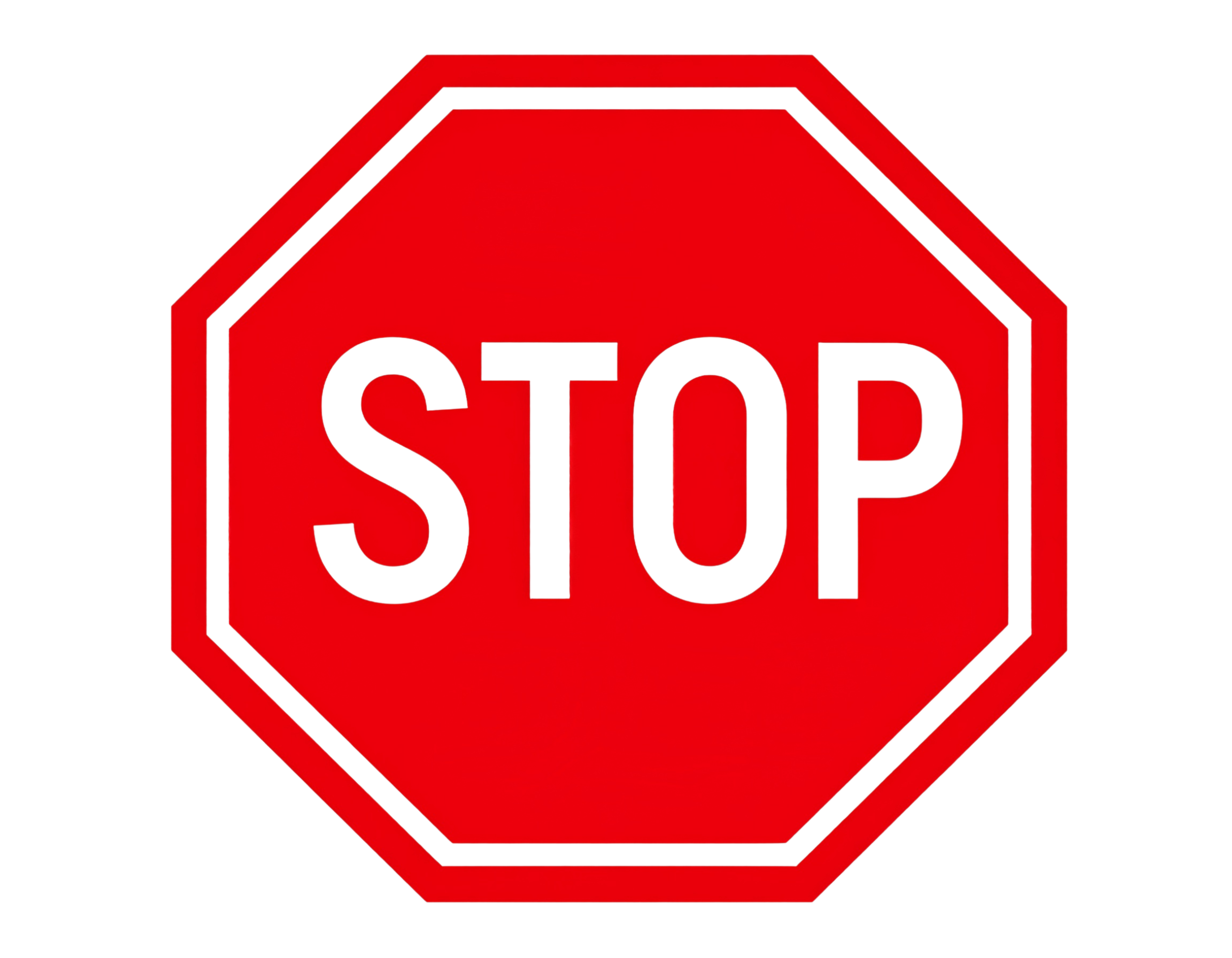
Red signs deliver clear, urgent instructions meant to keep drivers safe. The bold red color signals immediate attention, guiding you to stop whatever you are doing and follow specific prohibitions without question or hesitation.
- STOP Sign. This signature red octagon is widely recognized, instructing drivers to stop before proceeding.
- Do Not Enter Sign. This red circle with a white horizontal bar tells you that entry is not allowed.
- “NO” Signs. These signs use a red circle with a backslash over arrows and letters to prohibit actions such as left turns, U-turns, or parking in marked areas.
2. Warning Signs
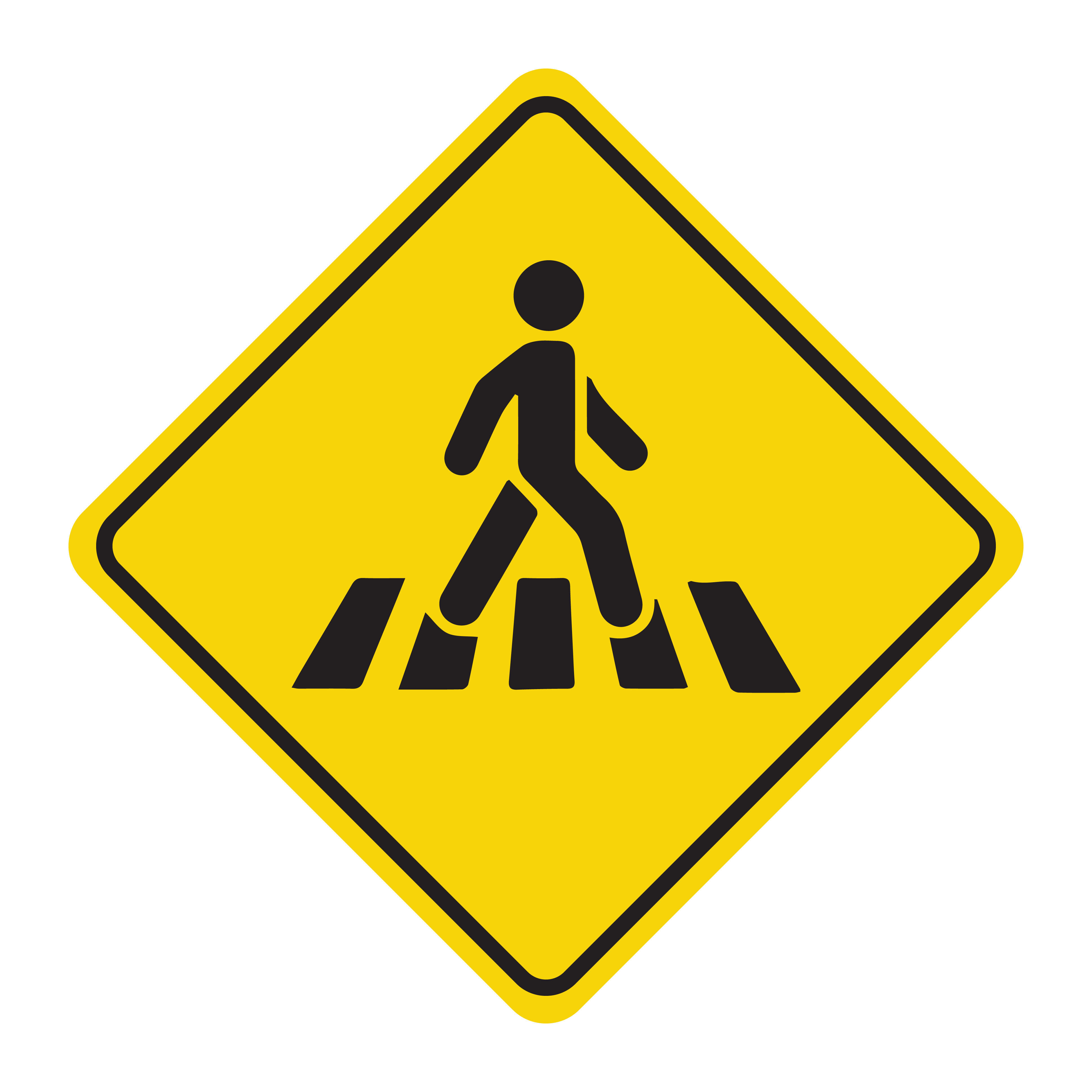
Road warning signs are typically yellow to stay visible in all lighting conditions. They alert drivers to upcoming road changes and encourage careful, attentive driving to avoid sudden hazards.
- Pedestrian Crossing. This yellow diamond-shaped sign with a walking figure indicates that drivers should watch for pedestrians and yield at crossing points.
- School Zone Signs. These house-shaped signs with children crossing indicate that a school zone is ahead and remind drivers to slow down and observe proper etiquette.
- Railroad Crossing. A yellow circular sign with a black “X” warns drivers that railroad tracks are nearby and to watch for approaching trains.
- Turn Warning Signs. These yellow diamonds alert drivers to sharp turns, curves, or winding roads, helping them adjust their speed and stay safe.
3. Road Regulation Signs
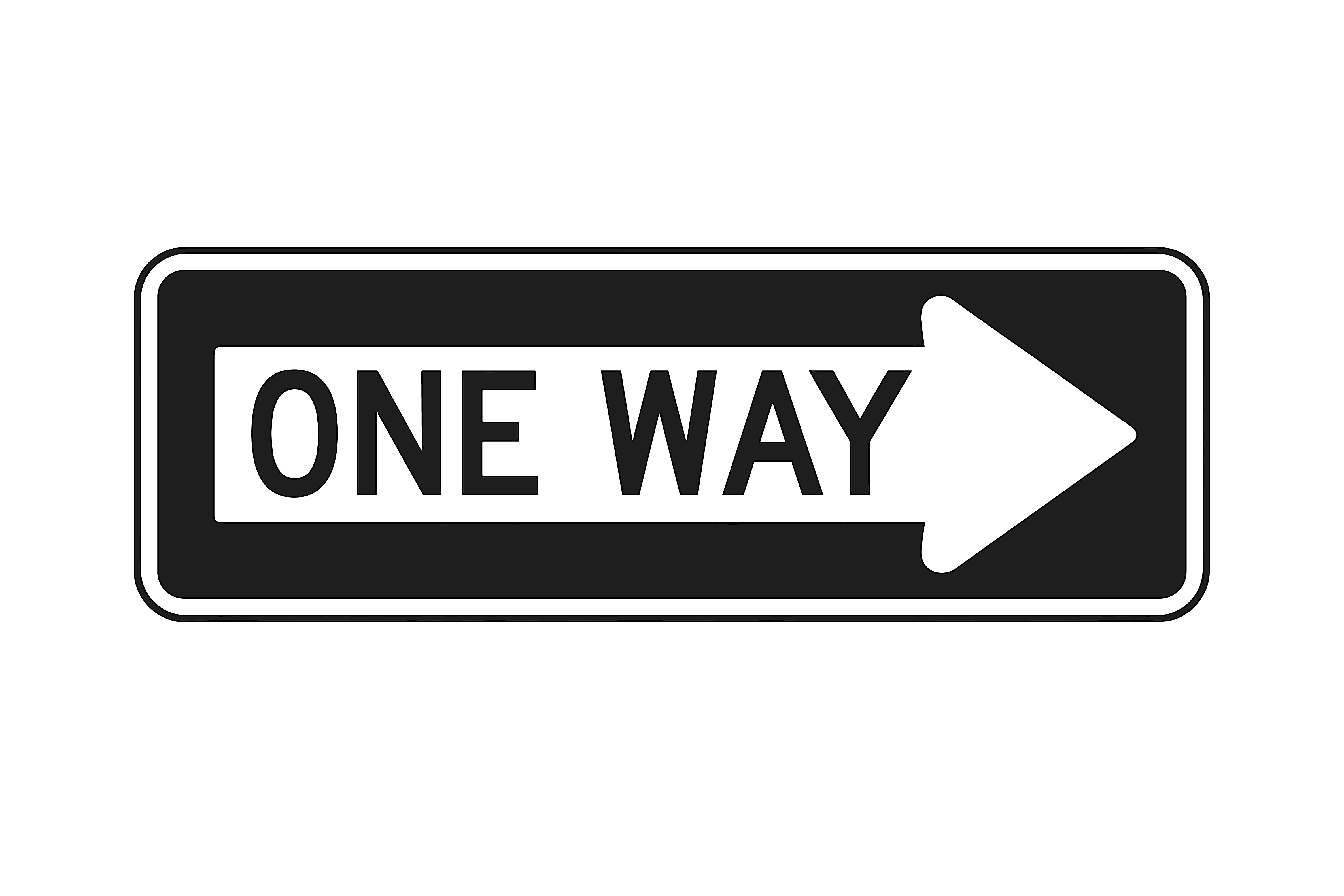
Regulatory signs use clear black-and-white designs to communicate rules that every driver must follow. These signs help maintain smooth traffic flow and protect road users. Ignoring these signs won't just cause traffic jams and accidents; it's also considered a traffic violation.
- One-Way Signs. The bold "ONE WAY" text and arrow show the only direction traffic is allowed to move. Drivers must follow this to keep traffic flowing.
- Speed Limit Signs: These signs display the maximum legal speed limit numbers and are strictly enforced, especially on major roads and highways.
- Turn Only Signs. These white signs with directional arrows require drivers to make specific turns, guiding traffic movement at intersections and other controlled areas.
How Do Shapes and Colors Factor Into Traffic Signs
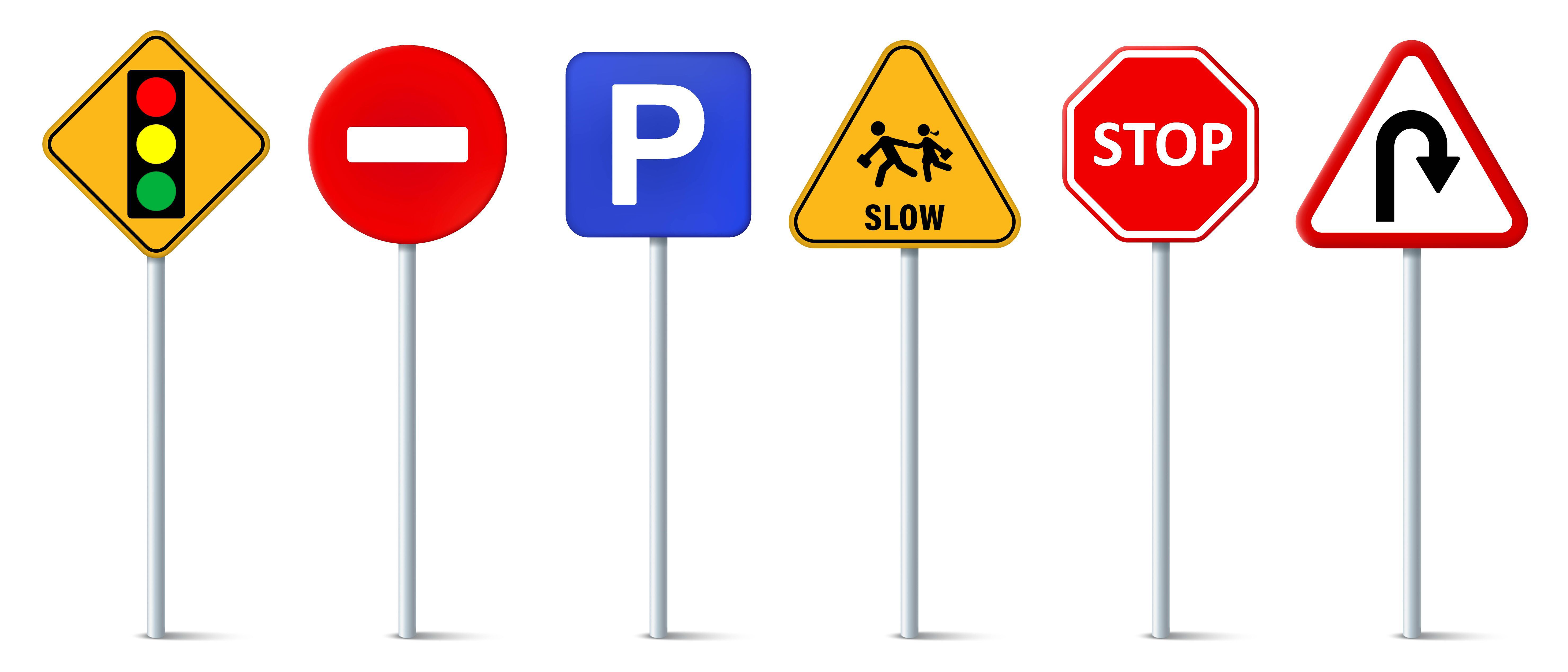
The MUTCD requires strict shape and color standards for new traffic signs. These design rules help drivers instantly recognize a sign’s purpose, even from a distance. Consistent shapes and colors also guide drivers toward the correct response, supporting safer, more consistent driving behavior.
Let’s take these two Turn signs as an example
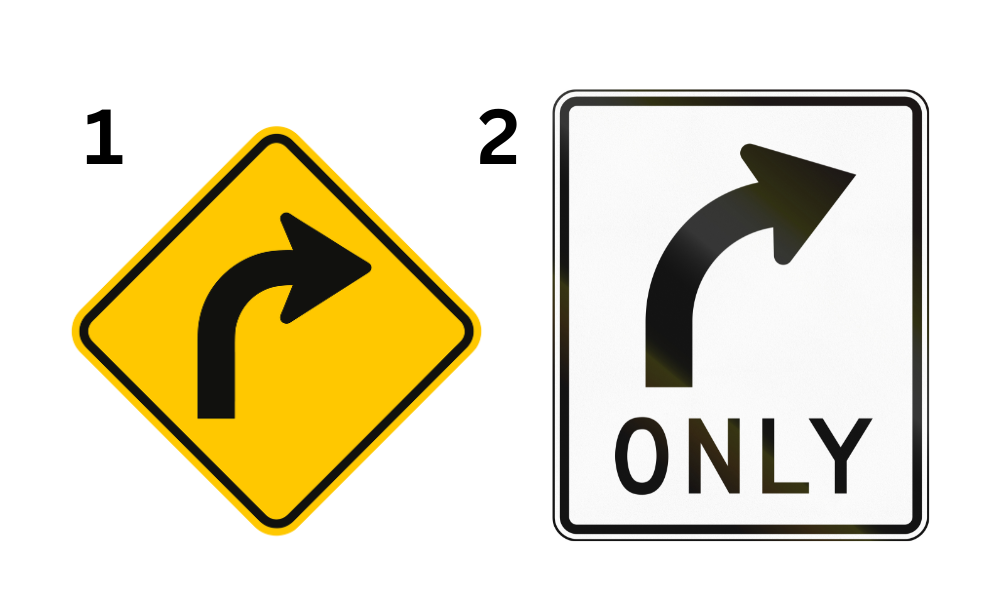
The yellow diamond Turn sign serves as a warning, indicating that a Right Turn is approaching and encouraging drivers to slow down. Like the sign above, most diamond-shaped signs' main purpose is to prepare drivers for sudden changes on the roads, especially on highways or rural streets with sharp, unseen curves.
The white rectangular right-turn-only sign, however, goes beyond warning and gives a mandatory instruction: drivers must turn right and cannot continue straight. This sign is usually seen at intersections or on wider roads where traffic needs firm direction rather than advanced warnings. Remember, ignoring white signs is considered a traffic violation.
Road signs serve as clear, universal guides that support safe, informed driving. Thanks to the MUTCD's long-standing standards, their shapes and colors remain uniform nationwide, allowing quick recognition on the road.
And with new road signs being put up each time, you can expect the familiar shapes, colors, and symbols to remain. Knowing what each sign represents will continue to strengthen everyone's overall road safety knowledge and give new drivers greater confidence as they navigate daily routes.
Data Subject Rights

Privacy Request
You may have certain rights with respect to the personal information we collect and process. These rights vary by state and country and depend on your residency. These rights are not absolute and we reserve all of our rights available to us at law in this regard. Please complete the below form to exercise one of your data subject rights, where applicable. We will process your request within the time provided by applicable law.