
How to Remove Car Decals Without Damaging Your Paint

Written by eSigns Editorial Team • Published on April 3, 2026
At a Glance
- Removing car decals the right way prevents paint damage, ghosting, and sticky residue
- Heat, patience, and the right tools matter more than applying force
- Different decal removal methods work better depending on the decal’s age and material
- Using harsh tools and chemicals carry higher risk and should be used cautiously
- Proper removal is especially important when updating business or fleet branding
Removing a car decal is rarely as easy as it seems. Unfortunately, rushing the job often leads to scratched paint, hardened adhesive residue, or faded “ghost” outlines left on the surface.
Whether you're a DIY vehicle owner or a business professional updating fleet graphics, knowing how to remove car decals without any damage can help you save time, protect your vehicle, and avoid unnecessary repair costs. Read on as this eSigns guide walks you through safe removal methods step by step and provides common options so you can choose the right approach for your situation.
Why Proper Decal Removal Matters
Car decals — especially vinyl vehicle graphics — are designed to adhere firmly. Their durability is great when they’re in use, but improper removal can result in:
- Lifted or damaged clear coat
- Scratched or dulled paint
- Adhesive residue that attracts dirt
- Uneven paint fade where decals blocked sunlight
For businesses that rely on branded vehicles, using professional-grade car decals not only improves visibility but also reduces the risk of paint damage when branding needs to be updated.
The goal isn’t just to remove the decal; it’s to ensure the surface is left in good condition afterward.
What You’ll Need
Recommended
- Hair dryer or heat gun (low setting)
- Plastic scraper or old credit card
- Microfiber cloths
- Automotive-safe adhesive remover
- Mild soap and water
Avoid
- Razor blades or metal scrapers
- Acetone or lacquer thinner
- Abrasive sponges or sanding tools
Tip: Always test heat and cleaners on a small, hidden area first.
Step-by-Step: How to Remove Car Decals Safely
Step 1: Clean the Area
Wash the surface around the decal with soap and water. Dry it thoroughly to prevent dirt or debris from scratching the paint during removal.
Step 2: Apply Gentle Heat
Use a hair dryer or heat gun on low heat setting, holding it 6–12 inches from the decal. Keep the heat moving to avoid focusing on one spot. Heat can soften the vinyl and adhesive, and excessive heat can cause bubbling or damage paint. Remember that the decal should feel flexible, not hot.
Step 3: Peel Slowly and Evenly
Lift one corner using your fingernail or a plastic scraper. Pull slowly at a low angle, keeping the vinyl close to the surface.
Best practices:
- Pull sideways instead of straight up
- Reapply heat if resistance increases
- Work in small sections for older decals
If the decal tears, simply reheat the area and continue from a new edge.
Step 4: Remove Adhesive Residue
Even when peeled correctly, getting some residue is common. Below are some paint-safe options you can include:
- Automotive adhesive remover
- Isopropyl alcohol (70–90%)
- Citrus-based cleaners designed for vehicles
Use a cloth when applying a cleaner and avoid putting it directly on the paint. Then gently rub until the surface is smooth.
Step 5: Final Clean and Inspection
Wash the area again and dry it completely. Make sure to inspect for the following:
- Adhesive haze (usually removable)
- Slight texture differences
- Paint color variation from sun exposure
Comparing Car Decal Removal Methods
If you’re unsure which removal method is best for your car decal, check out our comparison guide below:
| Removal Method | Best For | Pros | Cons / Cautions | Skill Level |
|---|---|---|---|---|
| Heat + Peel (Hair Dryer or Heat Gun) | Most vinyl decals and lettering | Paint-safe, inexpensive, widely recommended | Too much heat can damage paint if concentrated | Beginner |
| Adhesive Remover (Automotive-Safe) | Sticky residue after peeling | Effective, easy to control, low risk if used correctly | Must ensure product is paint-safe; avoid soaking surface | Beginner |
| Plastic Scraper or Credit Card | Stubborn edges or small vinyl fragments | Low cost, precise control | Can scratch paint if debris is present | Beginner |
| Eraser Wheel (Drill-Mounted) | Large decals or fleet graphics | Fast and effective for experienced users | Risk of heat buildup and paint damage if misused | Advanced |
| Strong Chemical Solvents (Acetone, Lacquer Thinner) | Specialized professional use only | Removes adhesive quickly | Can remove clear coat and paint; may void warranties | Professional only |
Special Situations to Watch For
Not all car decal removals are the same. Some conditions, such as older decals, freshly painted surfaces, or vehicles that undergo frequent rebranding, can significantly increase the risk of damage if they’re not handled properly. Here’s how you can reduce long-term damage and speed up future changes:
Older Decals (5+ Years)
Older vinyl becomes brittle and adhesive bonds more aggressively.
Recommendations:
- Use extra heat
- Expect slower removal
- Plan for additional residue cleanup
Fresh Paint or New Wraps
If you remove decals too soon after painting, you can lift soft or uncured paint. Always confirm proper curing time (often 60–90 days) before removing the car decal.
Fleet Vehicles With Frequent Rebranding
If you update your vehicle’s branding often, it’s essential to remove decals before they fully age. Frequent rebranding also comes with the following benefits:
- Paint-friendly vinyl materials
- Consistent removal procedures
- Decals removed before full aging occurs
Final Thoughts
Knowing how to remove car decals correctly protects both the appearance and the vehicle's value. By using the right tools and applying heat carefully, you can avoid costly repairs and keep your vehicle looking as good as before.
Additionally, for businesses, safe removal supports smoother rebranding and longer vehicle lifespans. When you’re ready to replace old graphics or plan future updates, choosing high-quality custom decals designed for vehicle use can make installation and removal much easier down the road.
FAQs
Can removing decals damage car paint?
Yes, especially if you use sharp tools, excessive heat, or harsh chemicals.
How long does decal removal take?
Small decals may take 10-15 minutes. On the other hand, larger or older graphics may take an hour or more.
Why does the paint look different afterward?
Paint under decals may be darker due to UV protection while the surrounding paint fades over time.
Is professional removal worth it?
For large fleet graphics or high-value vehicles, professional removal can reduce the risk of damage.
Related Articles
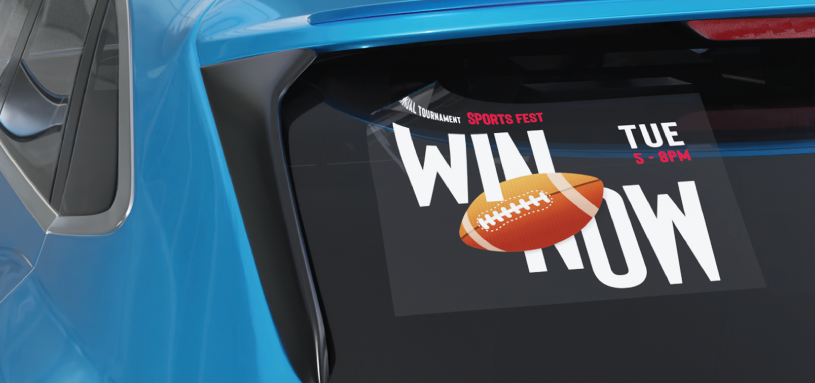
Do Car Decals Damage Paint? What Actually Happens and How to Avoid It
Do custom decals damage car paint? Learn the real facts, myths, and how to avoid problems on new and old cars.
Read More →
How to Remove Decal Adhesive Residue Safely From Any Surface
Learn how to remove decal adhesive residue safely using simple household methods. Step-by-step tips for windows, vehicles, walls, and floors.
Read More →
Permanent vs Removable Vinyl: How to Choose the Right Decal
Not sure whether to order permanent or removable vinyl? This eSigns guide compares differences and avoids mistakes when choosing the right decal.
Read More →Data Subject Rights

Privacy Request
You may have certain rights with respect to the personal information we collect and process. These rights vary by state and country and depend on your residency. These rights are not absolute and we reserve all of our rights available to us at law in this regard. Please complete the below form to exercise one of your data subject rights, where applicable. We will process your request within the time provided by applicable law.