
Permanent vs. Removable Vinyl: How to Choose the Right Decal for Your Business

Written by eSigns Editorial Team • Published on April 2, 2026
At a Glance
- Permanent vinyl is designed for long-term installation; removable vinyl supports short-term or temporary use
- Most decal issues come from matching the right material to the wrong situation
- Promotions and operational signage often require different vinyl strategies
- Timeline, surface, and environment are important factors to consider when choosing a decal
Choosing between permanent and removable vinyl can be tricky, and mistakes may harm the design and set back expectations. Peeling graphics, damaged walls, surface repairs, or expensive reorders can all happen when you choose the wrong material.
So how do you know which decal works for your business? This eSigns guide explains the differences between permanent and removable vinyl, where they work best, and shares tips to avoid costly mistakes, so your graphics perform as expected.
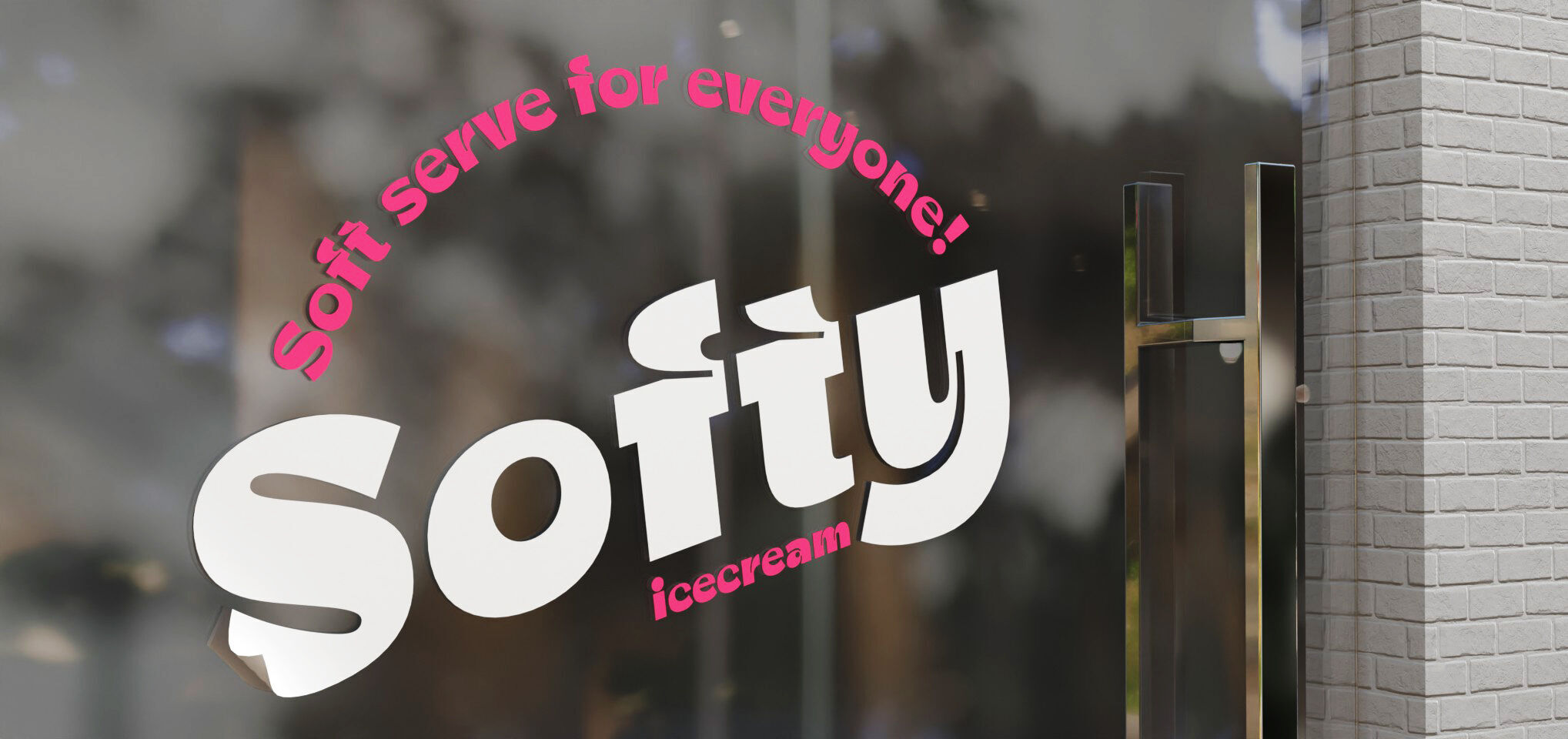
What is Permanent Vinyl?
Permanent vinyl is designed for durability and to stay in place. It uses a strong, high-tack adhesive that becomes more aggressive, especially when exposed to heat or sunlight.
Key Features
- Aggressive adhesive strength
- Highly weather-resistant and UV tolerant
- Durable for long-term branding, outdoor signage, and vehicle decals
- Ideal for when flexibility and easy removal are not priorities
Permanent vinyl is hard to remove. It usually requires heat, scraping tools, or chemical adhesive removers. When done incorrectly, it can damage surfaces.
What is Removable Vinyl?
Removable vinyl offers flexibility by using a less aggressive adhesive, so you can remove the decal more easily within the recommended time window.
Key Features
- Designed to stick, but only for a limited time
- Has a gentler, lower-tack adhesive
- Removes cleanly without any residue
- Ideal for indoor promotions and seasonal messaging
- Sun exposure, heat, and extended use can reduce its effectiveness
Is removable the same as repositionable?
The quick answer: no. Repositionable refers to the ability to adjust during installation; removable refers to the ability to remove the decal later.
Permanent vs. Removable Vinyl: Side-by-Side Comparison
| Feature | Permanent Vinyl | Removable Vinyl |
|---|---|---|
| Intended lifespan | Long-term (years) | Short- to mid-term (weeks to months) |
| Adhesive strength | Strong, aggressive | Lighter, lower-tack |
| Removal | Difficult; may damage surfaces | Easier removal when used as intended |
| Best for changeable messaging | No | Yes |
| Indoor use | Yes, when long-term | Yes, especially for promotions |
| Outdoor use | Yes | Limited, short-term only |
| Wall applications | Risk of paint damage | Lower risk when removed on time |
| Window applications | Long-term branding | Short-term promotions |
| Vehicle use | Yes | Not recommended |
This comparison highlights why neither option is universally “better.” The right choice depends on how long the decal stays up and what happens afterward.
Common Vinyl Mistakes Businesses Make
Most vinyl problems fall into predictable patterns. Here are some of them:
- Using permanent vinyl for temporary signage, such as seasonal promotions or pop-up events, can cause surface damage and make removal difficult.
- Choosing removable vinyl for situations that demand durability, such as long-running window campaigns in direct sunlight, can lead to peeling and fading.
- Assuming that surfaces like walls, windows, floors, and vehicles are the same leads to lifting or peeling when permanent vinyl is removed.
Promotions: The Most Frequent Trouble Spot
Temporary promotions are where vinyl choices matter most. Sales, events, and seasonal messaging are guaranteed to change, and clean removal becomes more important than maximum longevity.
For most short-term indoor promotions, removable vinyl gives businesses flexibility without risking surface damage. It allows more frequent updates while maintaining a professional look.
If promotions run longer or are exposed to stronger environmental conditions, durability becomes a factor. That doesn’t automatically mean permanent vinyl — it means expectations should be aligned before ordering.
Operational and Instructional Decals Need Flexibility
Operational decals, such as floor markers, directional arrows, spacing guides, or temporary instructions, often evolve as workflows improve.
Using removable vinyl early allows businesses to adjust placement without committing too soon. Once processes are finalized and the signage proves effective, changing to a permanent solution is needed.
This approach reduces friction and supports continuous improvement.
Why Surface Type Changes the Outcome
Walls and windows may look similar, but they behave very differently.
Painted Walls and Risk of Damage
Painted walls vary based on paint type, finish, age, and texture. Even well-applied paint can lift or peel when permanent vinyl is removed. Removable vinyl usually reduces that risk when a change is anticipated.
Window Graphics and UV Exposure
Windows trap heat and sunlight, unlike painted or porous surfaces. Removable vinyl works well for short-term window promotions, while permanent vinyl is typically better for long-term branding to prevent edge lifting and premature wear.
The same decal design may require different vinyl types depending on where it’s installed.
How to Decide Before You Order: A Simple Checklist
Instead of starting with vinyl labels, ask yourself the following:
- How long does the message need to stay up?
- Will the surface need to look unchanged afterward?
- What kind of environmental conditions will the decal face?
Clear answers to those questions usually point to the right vinyl choice.
Practical Tips to Prevent Costly Reorders
- Test a small decal sample on the actual surface before ordering.
- Plan the lifespan of decals alongside campaign timelines to prevent surprises.
- Avoid assuming one vinyl type fits all applications.
Final Thoughts
Deciding between permanent and removable vinyl isn’t about choosing a “better” material — it’s about choosing what fits your timeline, surface, and environment. Once you consider all these factors, you avoid unnecessary reorders and surface damage.
Ready to order? eSigns.com can help you select the right custom decal so your signage works exactly as intended — without surprises later.
Frequently Asked Questions
Is removable vinyl always residue-free?
Not always. Surface type, exposure, and installation length can affect the residue left behind.
Can permanent vinyl be removed later?
Yes, but removal may require tools, heat, or cleaners. Attempting to remove permanent vinyl can damage surfaces, cause discoloration, or leave adhesive residue behind.
How long does removable vinyl last?
Anywhere from a few weeks to several months, depending on conditions.
Will adding lamination protect my vinyl decals?
Yes, adding lamination can extend durability and protect your decals from outdoor conditions, and improve UV and abrasion resistance.
Related Articles

Decal vs. Sticker: What’s the Difference — and Why It Matters
Discover differences between decals and stickers in this eSigns guide. Learn best uses for durability, branding, and professional results.
Read More →
What’s the Difference Between Decals and Static Clings?
Learn the difference between window decals and static clings. Compare uses, pros, and examples to choose the right option for your business storefront.
Read More →
How Long Do Custom Decals Last Outdoors?
Learn how long custom decals last outdoors. This eSigns guide explains how weather, UV, surfaces, and care affect durability and extend decal life
Read More →Data Subject Rights

Privacy Request
You may have certain rights with respect to the personal information we collect and process. These rights vary by state and country and depend on your residency. These rights are not absolute and we reserve all of our rights available to us at law in this regard. Please complete the below form to exercise one of your data subject rights, where applicable. We will process your request within the time provided by applicable law.