
Decal vs. Sticker: What’s the Difference — and Why It Matters for Your Business

Written by eSigns Editorial Team • Published on April 7, 2026
At a Glance
- Stickers and decals might look similar, but they serve different purposes.
- Stickers are best for short-term, handheld, or disposable uses like packaging and giveaways.
- Decals are designed for surfaces, durability, and professional environments.
- If your message needs to last, stay readable, or represent your brand publicly, decals are usually the better choice.
- Many businesses continue buying stickers out of habit — long after decals would serve them better.
If you've ever considered custom graphics for your business, you've probably chosen stickers because they're familiar, affordable, and easy to order. But as your business grows, your needs also change. What works for short-term use may not hold up when durability and professionalism matter.
Choosing the wrong option can affect how your brand looks and how long your sign lasts. This eSigns guide breaks down the key differences so you can choose the best option for your business.
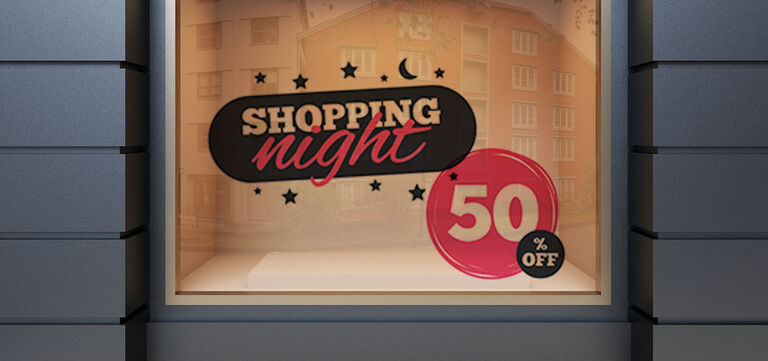
Decals vs. Stickers: Key Differences
From a business standpoint, the easiest way to understand the difference isn't by materials, it's by their purpose.
Stickers are made to be quick, convenient, and often temporary. Meanwhile, decals are made to stay on surfaces and become part of the space.
Here’s a quick comparison:
| Aspect | Stickers | Decals |
|---|---|---|
| Typical lifespan | Short-term | Long-term |
| Surface use | Packaging, handheld items | Windows, walls, floors, vehicles |
| Durability | Light wear | Designed for wear, weather & cleaning |
| Visual presence | Small, casual | Larger, more integrated |
| Best for | Promotions, labels, giveaways | Branding, direction, policy, safety |
Where Stickers Work Best
Stickers earn their popularity for good reason. They're easy to apply by hand, more affordable, and ideal for uses where speed matters more than longevity.
They work especially well when:
- The item is disposable or moves with the customer
- The message doesn't need to last long
- You're producing large quantities quickly
This is why stickers are suitable for product packaging, shipping labels, event swag, promotional handouts, and limited-time branding.
Problems arise when stickers are asked to do more than they were designed for — especially when placed on windows, walls, floors, or vehicles. That's when curling edges, fading ink, and residue start to undercut the professional look most businesses are aiming for.
Where Decals Do More Work
Custom decals are designed for surfaces that don't move. Instead of being peeled and placed anywhere, they have stronger adhesives and often use thicker vinyl or protective finishes. This means they can withstand sunlight, cleaning, temperature changes, and frequent handling better than standard stickers.
When used well, decals don't draw attention to themselves. They simply work. Store hours are clear. Directions are obvious. Branding feels intentional rather than improvised.
This is why decals show up in places where clarity and trust matter more than convenience.
When to Choose a Decal vs. a Sticker
Below are examples of scenarios on when to best use decals or stickers:
| Business Scenario | Better Choice | Why This Works Better | Why the Other Option Falls Short |
|---|---|---|---|
| Storefront windows | Decal | Window graphics need to stay flat, resist sun exposure, and look intentional from the street. Vinyl decals adhere smoothly to glass, hold color, and remove cleanly when promotions change. | Stickers often curl at the edges, fade in sunlight, or leave residue on glass. |
| Product packaging | Sticker | Packaging moves fast. Stickers are quick to apply, cost-effective at scale, and ideal for labels, seals, and short-run branding. | Decals are usually unnecessary for single-use packaging and add cost without benefit. |
| Vehicle branding | Decal (always) | Vehicles demand weather resistance, UV protection, and adhesives that conform to curves and paint. Proper vehicle and car decals last years and maintain clarity at speed. | Stickers frequently crack, fade, or peel—especially in heat or rain. |
| Walls and interior branding | Decal | Wall decals are designed specifically for painted drywall, allowing logos and messaging to look built-in rather than tacked on. They also remove with minimal surface damage. | Stickers struggle on textured walls and tend to look temporary or DIY. |
| Floors and safety markings | Floor decal | Floor decals are thicker, laminated, and slip-resistant, making them safe and durable in high-traffic areas. | Stickers are not rated for floor use and can become safety hazards. |
| Events and giveaways | Sticker | Hand-outs, swag, and short-term promotions benefit from the simplicity and low cost of stickers. | Decals are unnecessary when longevity and surface durability aren't needed. |
| Directional or instructional signage | Decal | When customers rely on information—where to stand, where to go, what to do—clarity and durability matter. Decals stay readable over time. | Stickers fade, peel, or shift, weakening trust and clarity. |
A Simple Way to Decide
When choosing between a sticker and a decal, ask yourself:
- Will this stay longer on a surface?
- Does the message need to last more than a short promotion?
- Will people rely on this information to make decisions?
- Does this represent my brand in a public way?
If you find yourself answering “yes” more than once, a decal is almost always the better choice.
Stickers are about interaction. Decals are about communication.
Making the Transition Without Replacing Everything
Switching to decals doesn't require starting over. Most businesses begin by replacing the most visible areas:
- Front doors
- Storefront windows
- Vehicles
- Frequently replaced notices
Once you upgrade the surfaces customers interact with daily, you can achieve consistent placement, aligned visuals, and messaging that feels more professional and polished.
Final Thoughts
Stickers and decals both bring value to a business. Stickers are best for short-term messaging, while decals are designed to last and represent your brand professionally. Whichever you choose, remember to consider the purpose, durability, and how you plan to convey your message.
Ready to order? eSigns.com helps businesses turn everyday surfaces into clear, reliable communication tools without overcomplicating the process.
Frequently Asked Questions
Are decals permanent?
Not always. Many decals are designed to be removable while still holding up during use.
Can decals be used indoors and outdoors?
Yes. One of the main advantages of decals is their adaptability across environments.
Are decals harder to apply than stickers?
They require a bit more care, but they're designed for smooth, professional application.
Do decals replace stickers entirely?
No. Most businesses use both—stickers for interaction, decals for communication.
Related Articles

How Long Do Custom Decals Last Outdoors?
Learn how long custom decals last outdoors. This eSigns guide explains how weather, UV, surfaces, and care affect durability and extend decal life.
Read More →
Permanent vs Removable Vinyl: How to Choose the Right Decal
Not sure whether to order permanent or removable vinyl? This eSigns guide compares differences and avoids mistakes when choosing the right decal.
Read More →
What’s the Difference Between Decals and Static Clings?
Learn the difference between window decals and static clings. Compare uses, pros, and examples to choose the right option for your business storefront.
Read More →Data Subject Rights

Privacy Request
You may have certain rights with respect to the personal information we collect and process. These rights vary by state and country and depend on your residency. These rights are not absolute and we reserve all of our rights available to us at law in this regard. Please complete the below form to exercise one of your data subject rights, where applicable. We will process your request within the time provided by applicable law.