
How Sports Leagues Can Boost Sponsor Value With Event Signage

Written by eSigns Editorial Team • Published on August 22, 2026
Sponsors usually back sports leagues because of their connection with local athletes, families, and the wider community. After they come on board, it’s important for leagues to make that support clear and worthwhile. Signage and event branding are great ways to do this.
Putting sponsor logos in busy spots helps leagues give sponsors real visibility without going overboard. It’s also important to keep track of where those logos appear, so leagues can show sponsors what they got and have better renewal talks next season. In this article, we’ll look at how event signs can highlight sponsorships and partnerships in a clear way.
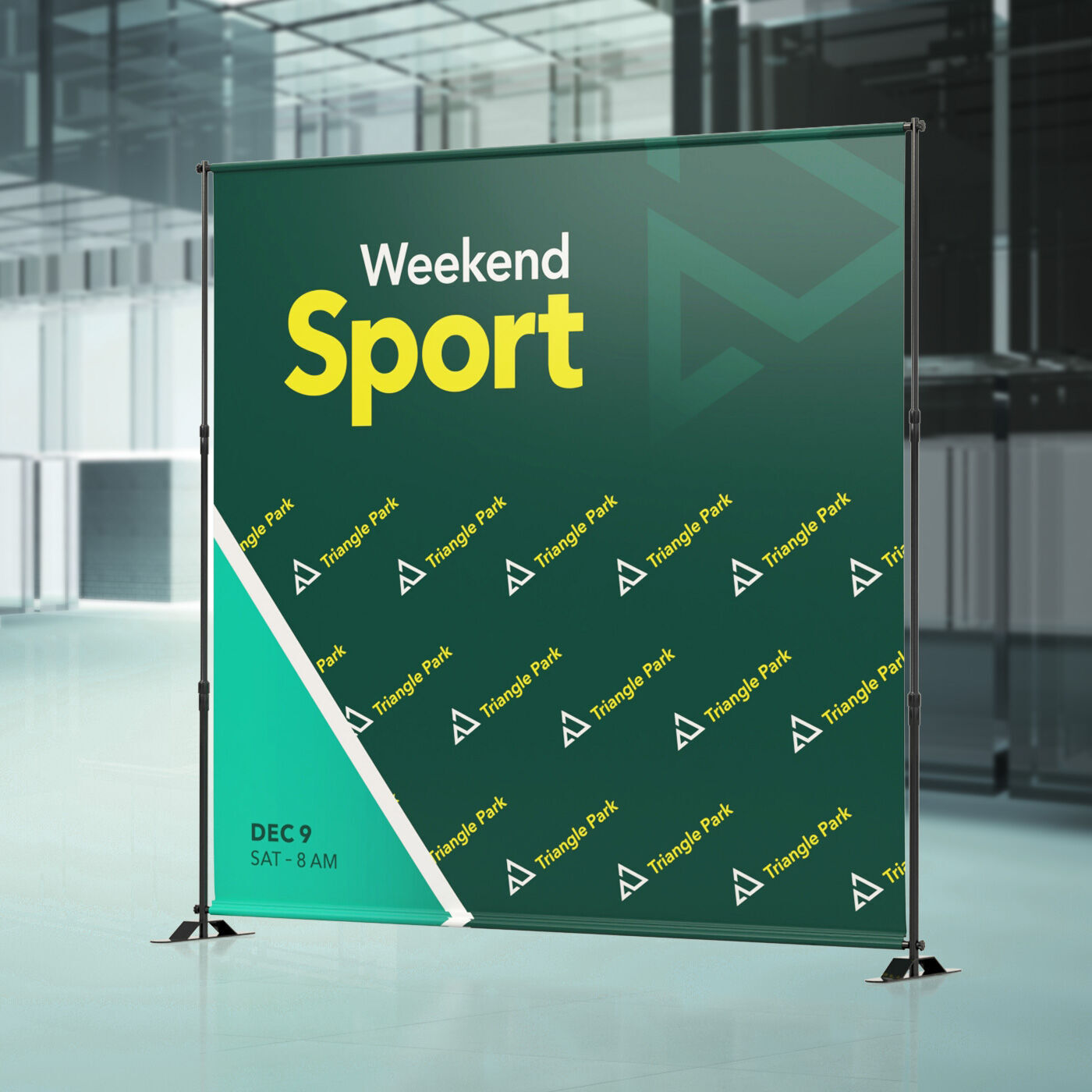
Promoting Sponsorship Visibility
If you work for a sports organization, start by planning your meetings with potential sponsors. Explain what sports sponsorships are and highlight the benefits they offer. Here are a few tips to help you market visibility to sponsors.
1. Start With the Sponsor Value You Can Actually Deliver
When reporting to potential sponsors, avoid promising that promotional signs will bring a certain number of customers, sales, or impressions unless you have solid data. Instead, focus on offering clear and specific visibility.
A good sponsorship offer should make it clear what the sponsor will get:
- Where will the sponsor be seen? Point out exact spots, like the field, entrance, registration table, awards area, or photo backdrop.
- When will the sponsor be visible? Be clear about the timing, such as during the regular season, tournament weekend, championship event, or registration period.
- How noticeable will the sponsor’s placement be? Explain whether they are getting their own sign, sharing space with others, getting special mention at an event, or having supporting visibility.
- How will the league show proof of sponsorship? Use photos of the signs, event pictures, records of where things were placed, and any agreed digital recognition to show what was provided.
When you are specific, it’s easier for businesses to understand and judge your sponsorship packages.
For example, rather than just saying, “Your company will be a league sponsor,” Describe the real benefit: “Your banner will be displayed on the main spectator-facing fence throughout the regular season and championship weekend.”
This way, you avoid making promises about sales or results that you can’t back up. Instead, sponsors get a clear idea of the visibility they are paying for.
2. Build Sponsorship Packages Around Visibility Levels
Many programs use Bronze, Silver, and Gold tiers to organize sponsorships, but these often don’t make it clear what sponsors get. Try creating packages based on the type, location, and length of sponsorship visibility. This way, each option is easier for sponsors to understand and compare.
Make sure your packages match the venues and events your league manages. Explain how each option is different, such as offering season-long visibility, presence at specific events, or several placements. This helps sponsors pick a package based on real benefits, not just general promises of “more visibility.”
One sample sponsorship structure you can follow includes the following:
| Package type | Main purpose | Visibility |
|---|---|---|
| The Community Supporter | This package offers basic recognition but does not include a dedicated spot for sponsors. | Sponsors are featured on shared signs, season sponsor lists, and some event materials. |
| The Field Sponsor | This package offers sponsors ongoing visibility at regular-season games and activities. | Sponsors receive a dedicated field or fence banner and league recognition. |
| The Event Sponsor | This package gives sponsors focused visibility during tournaments, registration days, or other major events. | Sponsors are shown on registration displays, tournament signs, and materials in the awards area. |
| The Championship Sponsor | This package gives sponsors high visibility when attention peaks at the end of the season. | Sponsors are featured on championship signs, in presentation areas, and on branded photo backdrops. |
| The Season Partner | This package offers sponsors wider visibility across multiple placements and events. | Sponsors receive field placement, visibility at registration, event recognition, and presence during the championship. |
3. Prioritize Recognition Over Information
The last thing to do is to let sponsors know that the main goal of banners and signs is to help people recognize their brand, not to share lots of information. Usually, the business name or logo should stand out the most. Skip long descriptions, contact details, slogans, or extra messages unless people will have time to read them.
For example, a banner by the field should be simple and easy to see from far away. A display inside a clubhouse can have more details since visitors are closer and have more time to look.
If they want to offer more details, you can add QR codes so fans and passersby can learn more if they are interested.
Sponsorship Placement and Visibility
Once you have a general idea on how your sponsorship structure works, it’s now time to plan for the actual signage and location.
Sometimes, sponsorship visibility often works best when it is part of your sports event operations. Try including sponsor recognition in areas you already manage, like registration, schedules, fields, awards, and photo spots.
This approach keeps sponsors visible without extra signs or extra work and helps make branding feel organized and connected to the event.
1. Map Sponsorship Visibility Around the Audience Experience
For sponsor placements, the best spots at a sports complex are not always the largest ones. The most impactful locations are where people naturally look, stop, or gather.
Picture a typical game day. Parents and spectators arrive, find their field, check the schedule, visit the concession stand, watch games, attend awards, and take photos. Each of these moments is a chance for sponsors to be seen.
A simple visibility map can help you choose the best spots:
| Location | Why People Notice It | Appropriate Sponsor Use |
|---|---|---|
| Main entrance | Most people enter the venue through the main entrance. | This spot is a great place to highlight major or season-long sponsors. |
| Spectator-facing fences | Spectators look at these fences throughout the game. | The fences are perfect spots for field or season sponsor banners. |
| Registration and check-in | Guests come here to check in or get information. | You can add sponsor recognition to registration and event signs that people use. |
| Schedule or bracket area | Attendees come here to check game schedules, brackets, or results. | This area is a good place to recognize tournaments or event sponsors. |
| Awards area | Players and spectators pay attention to this spot during presentations. | This spot works well for recognizing championship or awards sponsors. |
| Photobooths | Teams and families come here to take photos together. | A branded photo backdrop here can show selected sponsor logos. |
| Indoor meeting or banquet area | Guests usually spend a lot of time in these indoor areas. | Using portable sponsor displays helps sponsors get noticed during the entire event. |
2. Evaluate Placement Options Before Assigning Sponsors
Sponsor placements may vary in how visible they are. Before you assign sponsors, look at each spot using these five simple factors:
- Frequency: How often will attendees notice it?
- Traffic: How many people walk by this area?
- Viewing direction: Will people be looking toward it naturally?
- Duration: Will the placement be up for just one event or the whole season?
- Exclusivity: Will only one sponsor be shown here, or will there be several?
These elements can help you decide which placements work best for entry-level, event-specific, or premium sponsor packages. For example, a fence facing the crowd all season can be more valuable than a bigger banner behind the seats. Pay attention to real visibility, not just the size of the sign.
You can then rank these placements and use them for your tiered sponsorship programs.
3. Check the Location Before Finalizing the Design
Before you design sponsor signage, visit the location and see where spectators will sit, stand, or walk. Taking a few minutes to look around can help you find any visibility issues before you start making signs.
Watch out for the following:
- Visual clutter: See if other signs or displays might distract people from your sign.
- Obstructions: Notice if fences, posts, equipment, or other structures could block the view of your sign.
- Viewing direction: Make sure spectators will naturally face the sign where you plan to put it.
- Viewing distance: Think about how far away most people will be from the sign.
- Sign format: Choose whether a horizontal or vertical sign works best for the space.
4. Match the Sign Format to the Visibility Job
Not all signs work the same way. Rather than using one format for every sponsor, pick your signage based on where it will go, the type of event, and how visible you want it to be.
| Format | Best Suited For | Practical Sponsor Use |
|---|---|---|
| Fence banners | They work well around outdoor fields and fenced spectator areas. | They provide season-long or field-specific sponsor visibility. |
| Field sponsorship banners | They work best around defined playing fields and competition areas. | They connect a sponsor directly to a specific field or competition area. |
| Retractable banners | They work well in indoor spaces and temporary event areas. | The banners provide portable sponsor visibility at registration, meetings, banquets, and awards ceremonies. |
| Sponsor recognition signs | They work well in areas where several sponsors share visibility. | They recognize sponsors at entrances, registration areas, clubhouses, and common gathering spaces. |
| Backdrop banners | They work best in areas used for photos and presentations. | They provide sponsor visibility during championships, awards, team photos, and special events. |
Choose a sign format that fits the activity in space. When you match the sign to its purpose, sponsors get better and more practical visibility.
Document Sponsor Visibility Throughout the Season
A simple way for a league to improve is to keep track of sponsorship delivery as it happens. Don’t wait until renewal time to piece together what you did for each sponsor. By recording, reviewing, and learning from your process, you’ll know where to make changes.
1. Record Evidence of Sponsorship Signage
Keep a straightforward record for each sponsor that shows what was promised and proof that it was delivered. Include the following:
- Photos that show where the sponsor’s signage was installed.
- Event photos that highlight sponsor recognition at tournaments, registration, awards, or any other agreed activities.
- Records of when and where each placement happened.
- Screenshots or copies that show any agreed digital recognition.
These records show what the league provided, like banners displayed all season. Do not use them to claim impressions, sales, customer growth, or ROI unless you have solid supporting data.
2. Use Optional Tracking for Sponsors Who Want More Than Visibility
Some sponsors might want to track customer activity beyond just visibility. When possible, leagues can use QR codes, promo codes, landing pages, or special event offers.
Keep these results separate.
- Visibility documentation shows where the league placed sponsor materials and how sponsors were recognized.
- Response tracking measures actions that are directly linked to scans, redemptions, or similar tools.
Tracking has its limits. QR scans don’t count everyone who noticed a sponsor, and promo codes do not show total brand awareness. Keeping these results separate helps avoid making claims that are too broad.
3. Turn Documentation Into a Better Renewal Conversation
Use your documentation to begin sponsorship renewals by showing what the league provided during the season.
Create a brief summary that covers:
- Sponsor: Name the business that took part.
- Agreed placement: List where the signage was promised to appear.
- Duration: Record how long the signage was displayed.
- Additional recognition: Mention any extra exposure the sponsor received at events.
- Documentation: Share photos and any digital recognition that was promised.
- Next season: Talk about whether to continue or expand the sponsorship next year.
The goal isn’t to focus on financial returns. Instead, make the sponsorship feel real and help guide a more organized renewal discussion.
Frequently Asked Questions
How do sports leagues give sponsors more visibility?
Begin by finding spots that players, parents, and spectators see often during the season. These might be fences facing the crowd, entrances, registration tables, awards areas, or photo spots. Give each place a clear sponsorship role instead of just filling empty spaces with logos.
What do sports sponsors expect in return?
Not all sponsors want the same things. League organizers should clearly explain what visibility and recognition they can offer and check which options matter most to each business. Only promise business results if you can measure them honestly.
How can youth sports organizations improve sponsor retention?
A good way to keep sponsors is to track where their sponsorships appear during the season and review this before renewal time. Photos, event notes, and clear records help both the league and sponsor have a solid starting point for next season’s talks.
What signage provides strong sponsor visibility?
The right sign depends on your venue and how people move around. Fence banners are great for fields, retractable banners fit indoor or temporary spots, recognition signs group several sponsors, and backdrop banners work well for big events and photos. Where you put the sign is just as important as the type you choose.
Build a Sponsorship Program That Works
A strong sports sponsorship program blends in with the event, instead of feeling like extra advertising. Start by noticing how people move around your venue and look for moments where sponsor opportunities make sense. With a solid plan, leagues can build partnerships that are simple to manage, explain, and renew. When it’s time to create event signage, eSigns can help by making custom signs for your venue and events.
Data Subject Rights

Privacy Request
You may have certain rights with respect to the personal information we collect and process. These rights vary by state and country and depend on your residency. These rights are not absolute and we reserve all of our rights available to us at law in this regard. Please complete the below form to exercise one of your data subject rights, where applicable. We will process your request within the time provided by applicable law.