
Standard A-Frame Sign Sizes: How to Choose the Right One Without Overthinking It

Written by eSigns Editorial Team • Published on April 11, 2026
At a Glance
- You usually don't need to "custom size" an A-frame, most businesses succeed with standard sizes
- The three sizes you'll see most often are 18" x 24", 22" x 28", and 24" x 36"
- The best size depends less on preference and more on where the sign will sit and how far away people will see it
- 24" x 36" is the most common choice for sidewalks and storefronts
- If you keep your message clear and simple, either size can work very well
Choosing an A-frame sign shouldn't feel complicated. And when you're already picturing your storefront, sidewalk, or entryway, it's easy to worry about visibility and overthink which size to go for.
The truth is, A-frame signs don't need to be custom-sized. Most businesses find exactly what they need with standard options that consistently perform well.
But how do you know which size is the right choice? In this eSigns guide, we'll explore the three most common A-frame sizes and help you figure out which one fits your space and foot traffic.
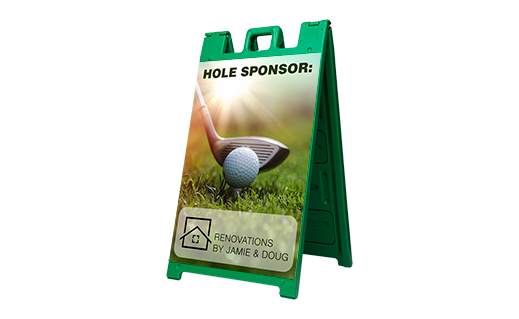
What Do Standard A-Frame Sign Sizes Mean?
When you see the phrase standard A-frame sign sizes, it simply means these sizes exist because they've been tested over time in various environments.
They're considered "standard" because they:
- Fit comfortably in most commercial spaces
- Are readable at normal walking speeds
- Work well for common business messages
- Avoid the extremes of being too subtle or too dominant
Standard sizing keeps things affordable, predictable, and easy to customize. In other words, you're choosing options that already work for thousands of other businesses.
The Three Standard A-Frame Sizes Explained
Each standard size serves a specific purpose. Below are the three most common sizes for A-frame signs:
18" x 24" – Best for Close-Up Messaging
The 18" x 24" A-frame is the smaller of the two standard options and is simple and easy to place.
This size works best when people are already close to your business. If your sidewalk is tight, your entrance is narrow, or your message is short and direct, this sign can feel just right.
Best for:
- "Open" or "Closed" messages
- Simple directions ("Order Inside," "Enter Here")
- Indoor promotions or lobby signs
- Temporary or frequently updated messages
22" x 28" – The Balanced Middle Option
The 22" x 28" offers a wider, horizontal layout. It's a great middle ground between the 18" x 24" and the 24" x 36". If you're looking for more design space that stretches across the sign without the sign looking too tall, this is the format you need.
Best for:
- Strong horizontal typography
- Promoting a short but bold message
- Moderate sidewalk space
- Noticeable visibility without maximum height
24" x 36" – The Most Common Storefront Size
If you're unsure which size to choose, the 24" x 36" is usually the safest bet. This A-frame size is the most widely used standard because it gives you breathing room for readability. There's space for a strong headline, a supporting line or two, and a design that feels intentional rather than cramped.
Best for:
- Grabbing your audience's attention before they reach the door
- Signs that sit farther from foot traffic
- Promoting specials, events, or seasonal offers
Side-by-Side Comparison of Standard A-Frame Sign Sizes
Can't decide on a standard size? Use this comparison guide for your reference:
| Feature | 18" x 24" | 22" x 28" | 24" x 36" |
|---|---|---|---|
| Best For | Close-range messaging | Balanced visibility | Maximum presence |
| Layout Style | Compact vertical | Horizontal emphasis | Tall vertical |
| Portability | Very easy | Moderate | Heavier |
| Visual Impact | Subtle | Noticeable | Strong |
| Common Use | Indoor/entry | Promotions | Storefront exterior |
Retail Stores and Boutiques
Retail A-frame signs are usually designed to capture attention instantly, then deliver a clear, simple message. They work best when they help a passerby quickly understand why they should stop.
Common retail uses include:
- Seasonal sales
- Limited-time promotions
- New arrivals or featured collections
For most retail storefronts, the 24" x 36" A-frame is the most common and effective size. It works well for exterior promotions because it has enough visual presence to catch someone mid-walk without overwhelming the sidewalk or entrance. This size also allows for clean typography and strong visuals, which matters when competition for attention is high.
Alternatively, the 22" x 28" format is favored for bold, horizontal sale messages. Additionally, smaller A-frames like the 18" x 24" are well-suited for indoor use, including doorways, reinforcing messages seen outside, or directing customers to specific sections or offers.
Salons, Gyms, and Professional Services
Service-based businesses use A-frame signs to project clarity and professionalism, not to drive transactions. These signs typically display:
- Brand identity
- Appointment reminders
- Walk-ins welcome
- Special offers for new or returning clients
In these settings, the sign should feel intentional and well-designed, not oversized or distracting. The 24" x 36" and 22" x 28" sizes are a popular choice for sidewalks and storefronts because they present information clearly while maintaining a polished, established look.
Indoors, the 18" x 24" size is typically a better fit. This size works well for directional messaging, promotions, or service reminders without crowding waiting areas or walkways.
Events, Pop-Ups, and Temporary Locations
Events and pop-ups require signage that's flexible and easy to manage. A-frame signs in these environments need to be:
- Easy to transport
- Quick to set up
- Adaptable across different venues and layouts
Since attendees are typically already nearby, the smaller 18" x 24" A-frame is often ideal. Lightweight and simple to move, this sign size remains readable in crowded, close-range settings where larger displays aren't needed. It is especially useful for check-ins, wayfinding, promotions, or short-term messaging that may change from event to event.
Meanwhile, larger events with wider walkways may benefit from the 22" x 28" or 24" x 36" for better visibility from a distance.
A Quick Word on Readability
Size does not guarantee visibility. Signs of identical dimensions will vary dramatically in performance based on font size, contrast, and message clarity.
A smaller sign with bold typography and a clear message often outperforms a larger sign filled with clutter. This is one reason standard A-frame sizes work so well — they encourage simpler, more focused messaging.
If you're debating between sizes because your message feels "tight," it's often more effective to simplify the content than to scale up the sign.
Conclusion
Choosing an A-frame sign size doesn't need to be complicated or stressful. Standard sizes like 18" x 24", 22" x 28", and 24" x 36" are common because they work across industries and storefronts. These sizes deliver reliable visibility without requiring custom decisions or trade-offs.
Once you match the size to your space and message, the rest becomes easy. When you're ready to explore standard A-frame options, materials, and print quality, visit eSigns.com. We offer practical sign solutions for a variety of applications.
FAQs
Is 24" x 36" too big for a sidewalk?
In most commercial areas, no. It's the most common sidewalk A-frame size and fits comfortably as long as it's placed thoughtfully.
Do I need a larger sign for outdoor use?
Not necessarily. Visibility comes from placement and design as much as size.
Can I use the same size for different locations?
Yes. Many businesses standardize on one size to keep branding consistent across locations.
Are these sizes considered "ADA-friendly"?
Standard sizes are widely used, but placement matters more than dimensions. Always ensure pedestrian pathways remain clear.
Related Articles
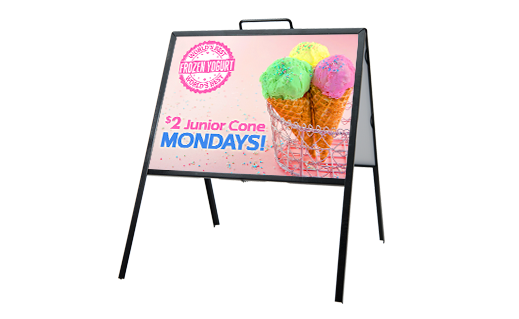
Plastic vs. Metal A-Frame Signs: Which One Makes Sense for Your Business?
Choosing between metal and plastic A-frame signs? This eSigns guide compares durability, portability, cost, and brand impact before you invest.
Read More →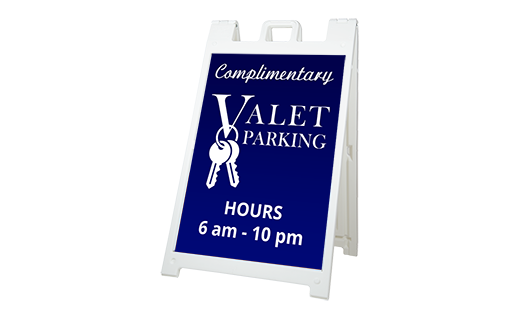
What’s the Difference Between Chalkboard, Dry-Erase, and Printed A-Frame Signs?
Comparing chalkboard, dry-erase, and printed A-frame signs? This eSigns guide helps you choose based on workflow, branding, and frequency.
Read More →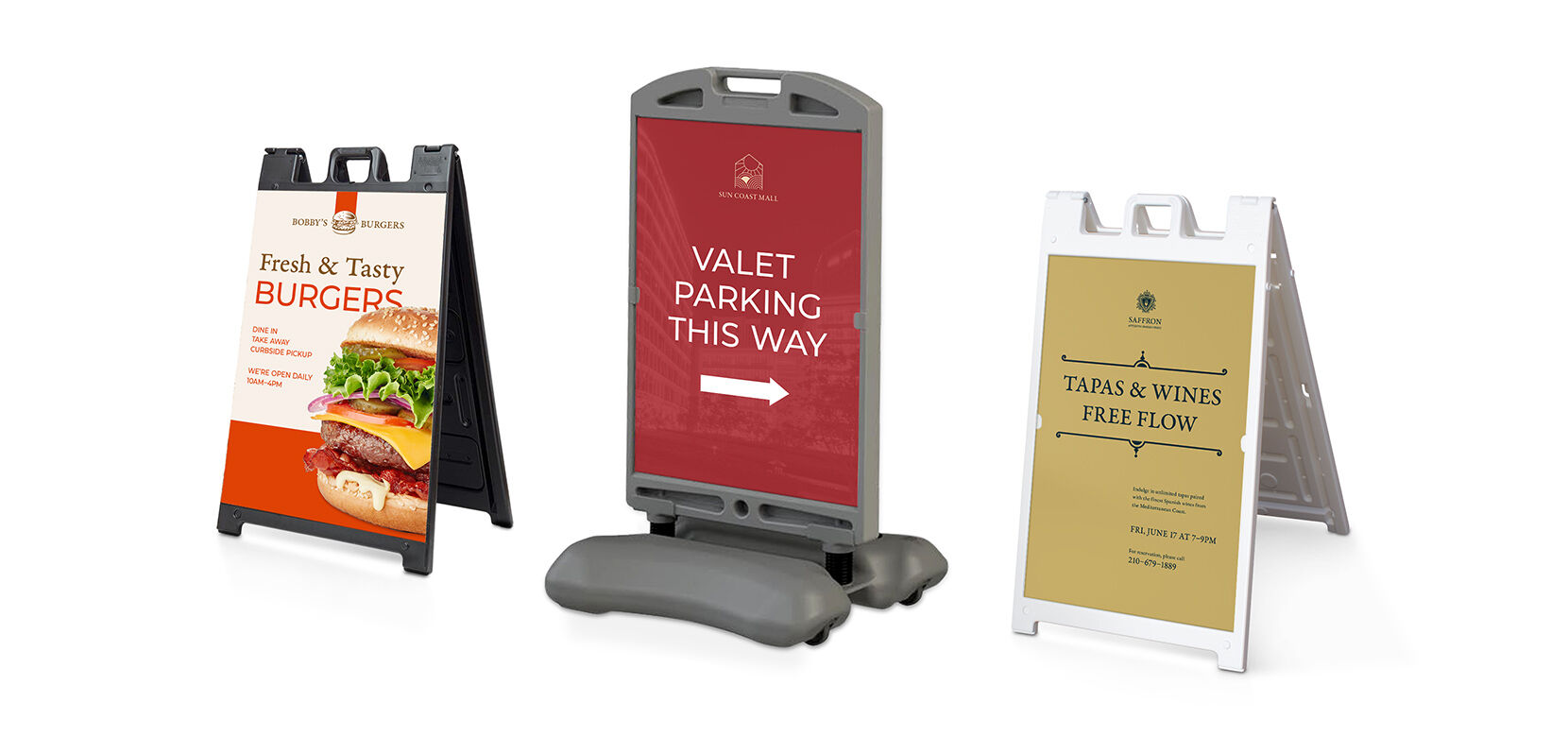
A-Frame Signs Maintenance: Simple Cleaning Tips That Make Your Sign Last Longer
Extend the lifespan of your A-frame sign with eSigns. Learn simple cleaning and maintenance tips to keep signage professional and delay replacements.
Read More →Data Subject Rights

Privacy Request
You may have certain rights with respect to the personal information we collect and process. These rights vary by state and country and depend on your residency. These rights are not absolute and we reserve all of our rights available to us at law in this regard. Please complete the below form to exercise one of your data subject rights, where applicable. We will process your request within the time provided by applicable law.